#FISHWIFE
Tinned Fish and the Legacy Curse

Stephanie Stott, Diector of Brand
⏱ 3min read
Fishwife launched in 2020 and rapidly became one of the fastest-growing brands in a category that had barely moved for years.
YOU MIGHT LIKE
I’m officially a Fishwife fangirl, and it isn’t because I’ve suddenly become a tinned fish enthusiast.
I used to eat tinned tuna until we started feeding it to our dog. I haven’t touched the stuff since. Yet somehow, I spent twenty minutes choosing my favourite tins on Fishwife’s website.
Tins of fish. That I will never eat.
That’s the whole game. Fishwife grew nearly 180% in the same year conventional tinned fish grew just 1%.
Growing quickly is impressive. Doing it while the category stands still is elite.
Most brands compete for people already looking for what they sell. Fishwife attracted people who never expected to care in the first place.
It didn’t invent tinned fish. It made the least glamorous supermarket aisle feel worth displaying: hot pink tins, folk-art illustrations, products people photograph before they open.
It made tinned fish feel like something people wanted to be seen with.

In What World Does Brand Come First?!
Usually, someone develops a product or pitch. The concept gets approved. Work begins. Two weeks, or sometimes a day, before the deadline, the “colouring-in department” gets called.
Fishwife flipped the script.
Brand was the foundation. The illustrator, visual identity and community came before the fish.
Co-founder Becca Millstein saw an opportunity to reclaim the name Fishwife. Originally a job title for women who sold their husbands’ catch at market, it later became a sexist insult for loud, foul-mouthed, bossy women. Now, the name signals female-founded success on its own terms. “It gives me permission to swear at work,” she said.
Being female-founded isn’t the whole proposition. But it gives those creative decisions a point of view that feels lived-in rather than manufactured.
Find Something to Shout About
A conventional brand such as John West can have the stronger audit trail on paper. More certifications. More reporting. More documents proving it is doing the right thing.
John West has the paperwork. Fishwife has the sentence people remember.
Its founder will tell you the fish “tastes nothing like any fish most folks have eaten out of a tin”, rather than handing you a report. The brand talks about working with fisheries and aquaculture farms that use responsible methods.
The substance is there. Fishwife just makes it easier to see.
That is the lesson for “boring” industries. Real substance gets locked in documents, communicated to nobody outside a compliance process because the organisation is too scared of a headline or backlash.
Silence feels cautious. It isn’t. It hands the conversation to whoever is willing to have it.
The legacy curse.
Fishwife is small, young and independent. It hasn’t accumulated fifty years of reputation everyone is terrified of damaging.
Most legacy companies have.
They become a bit like hoarders: another approval, another process, another committee, another risk register, another stakeholder. Nobody throws anything away because every layer once solved a problem.
By the time an idea survives the approval process, it doesn’t look bold anymore.
It looks bleh.
Creative work gets revised until everyone is comfortable with it. Brand teams are hired as experts, then overruled by instinct. Old messaging keeps cluttering up websites and brochures, confusing the audience.
The result isn’t bad marketing. It’s forgettable marketing.
That doesn’t mean startups are always better. It means they haven’t yet accumulated the baggage.


What can those of us who aren’t wives of fish do?
I’m not saying “be more like Fishwife.” I’m asking, where you can push back against your own structure?
Can someone explain what your organisation stands for in one sentence, without sounding like they’re reading a strategy document?
Can you protect one interesting idea from being workshopped into a vanilla ice-cream? Can you keep saying the same thing long enough for customers to actually remember it, instead of changing direction every time leadership updates the business strategy?
Nobody is signing off a complete cultural overhaul tomorrow. But one clearer message, one protected idea and one less unnecessary approval can start shifting things.
Because if a company can convince someone who gags at the smell of tuna to spend twenty minutes choosing their favourite tin of fish, your industry doesn’t have a boring product problem.
It probably has a legacy problem.
Your industry is not the brief
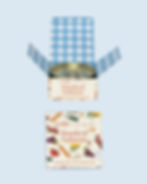
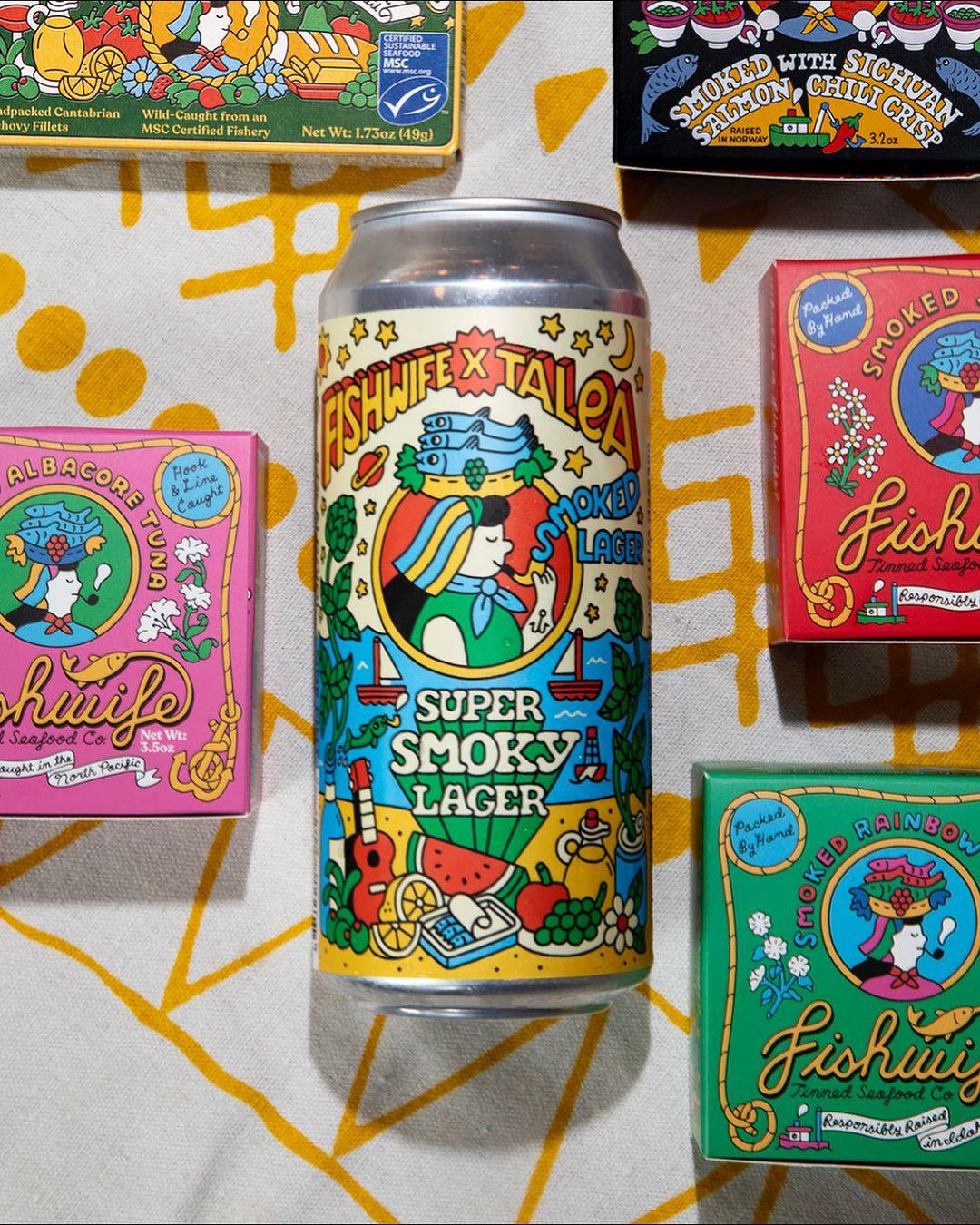
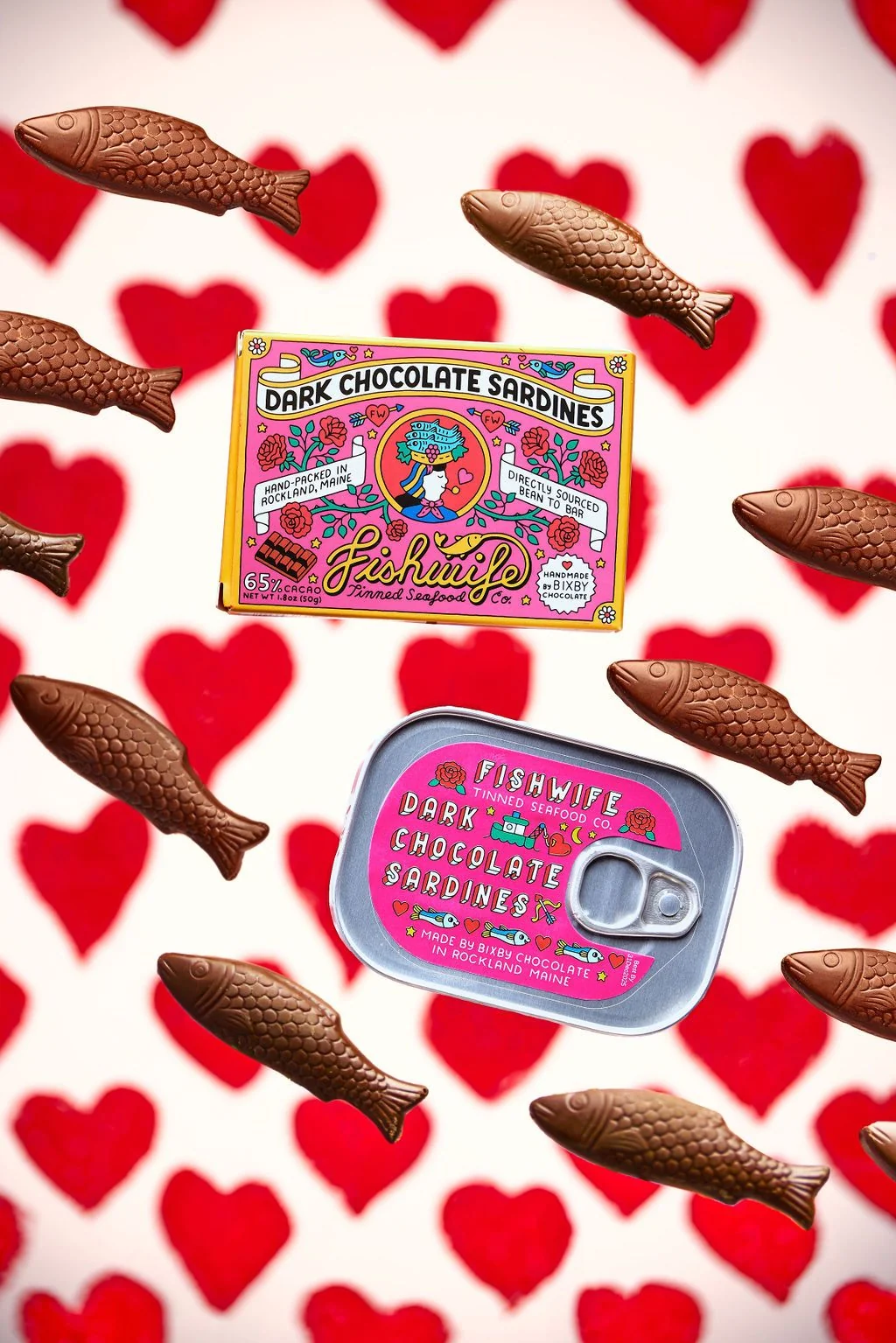
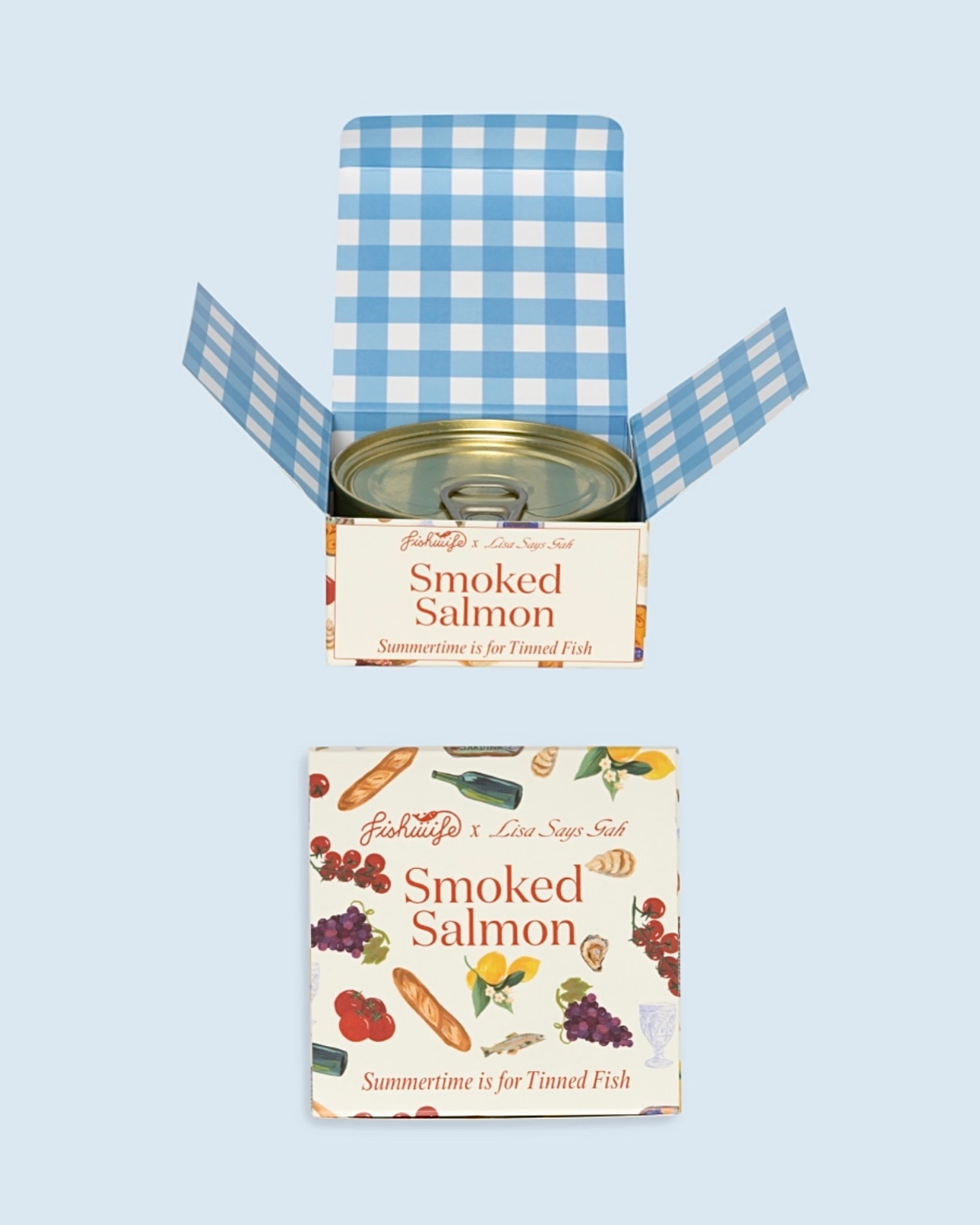
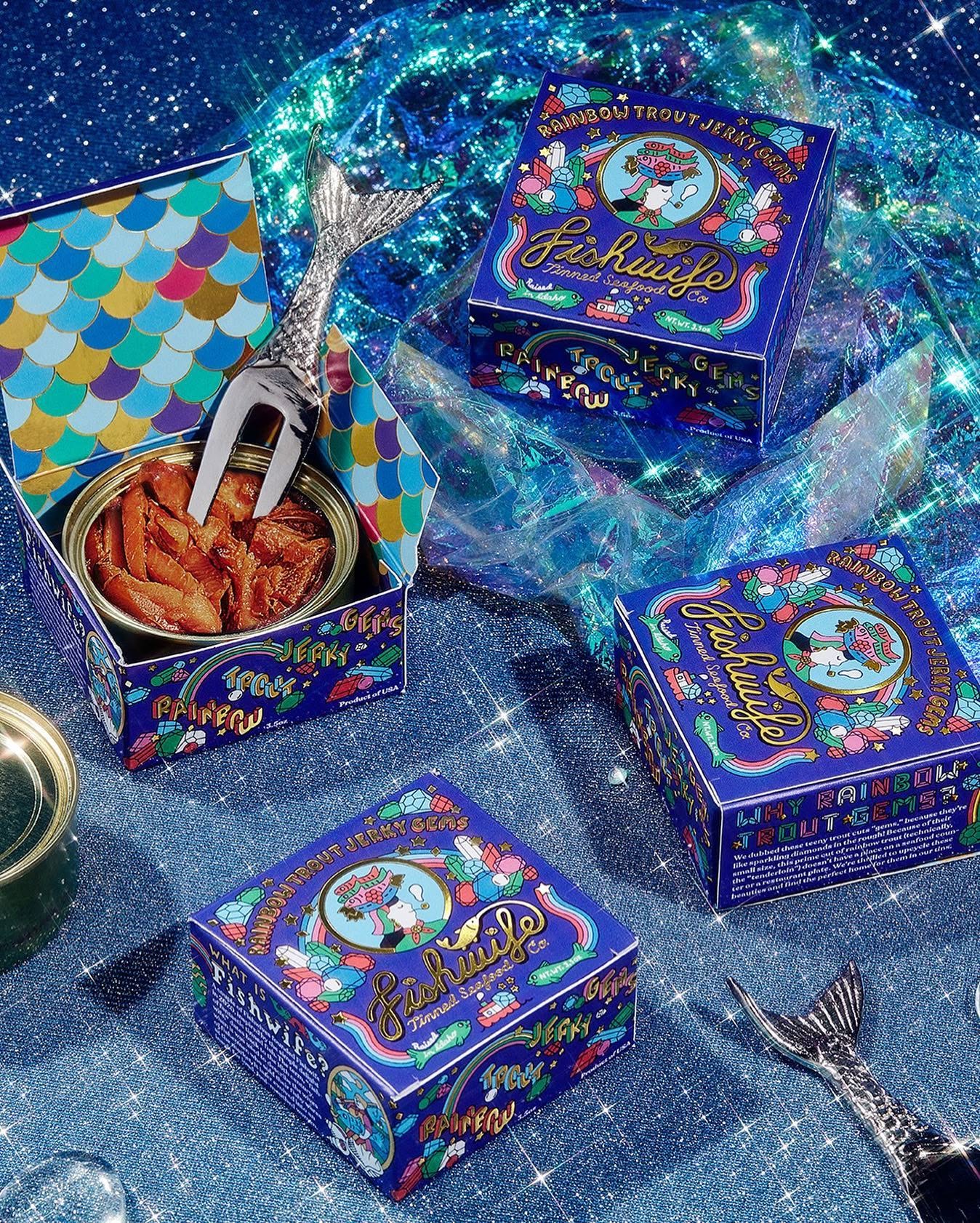
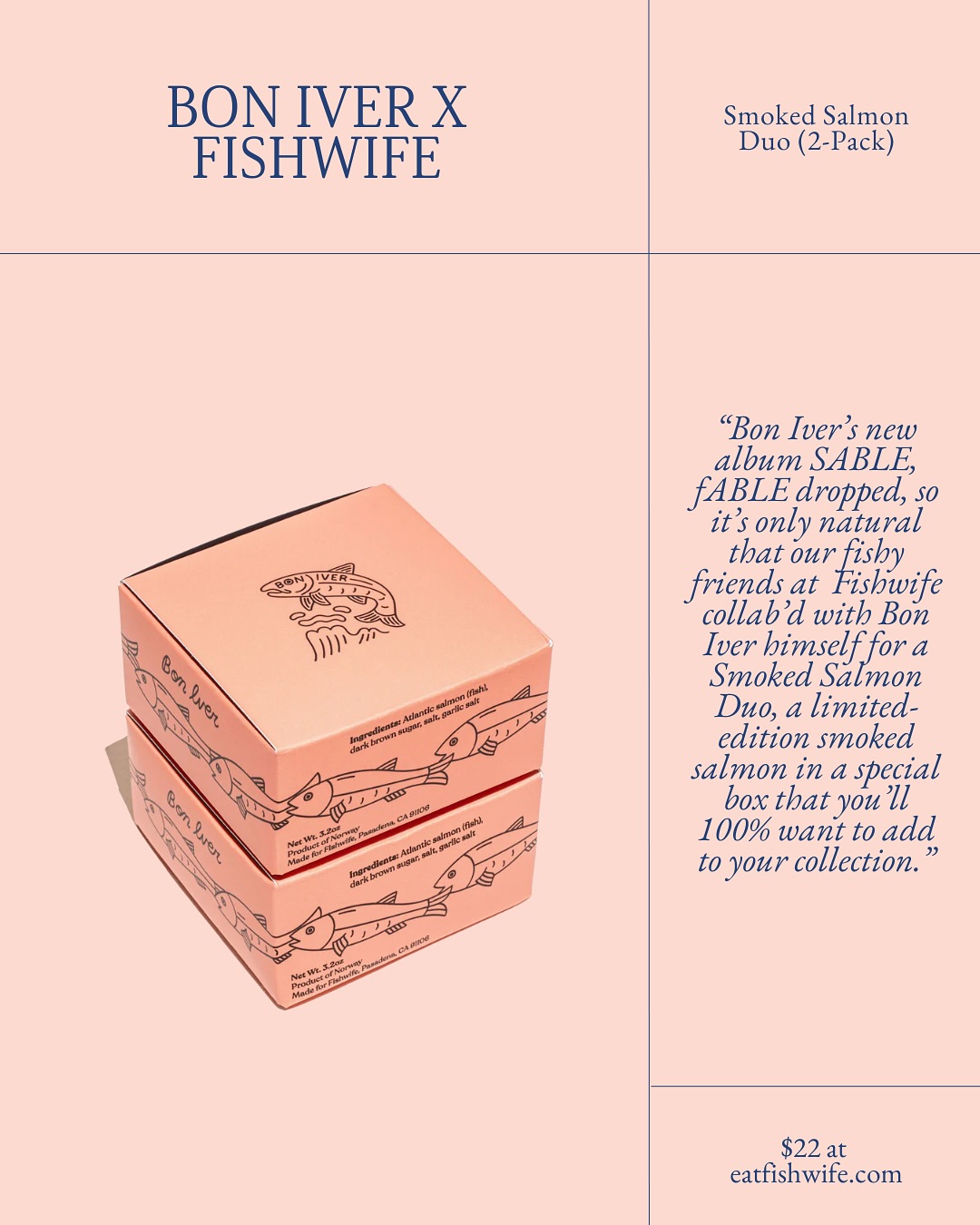
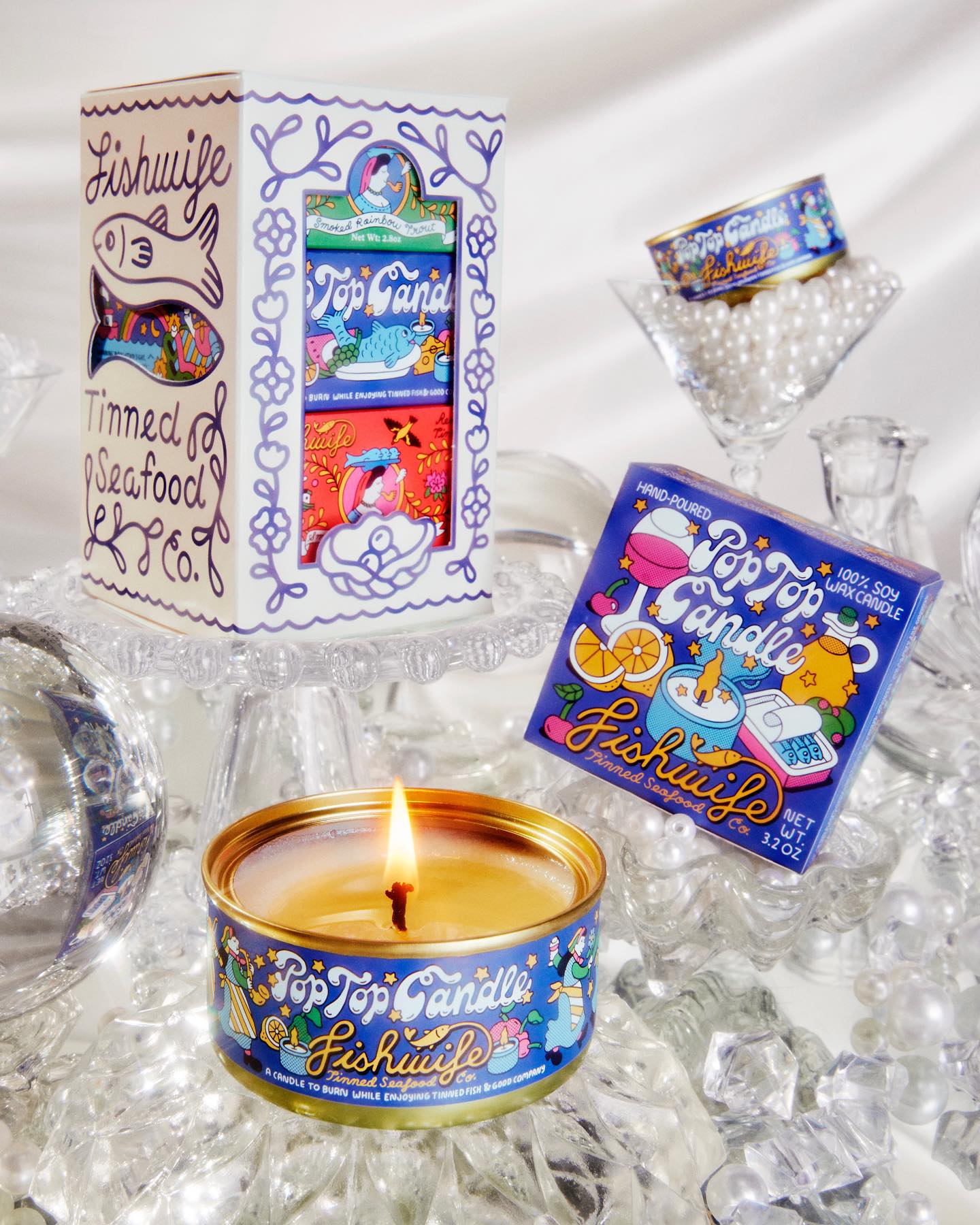
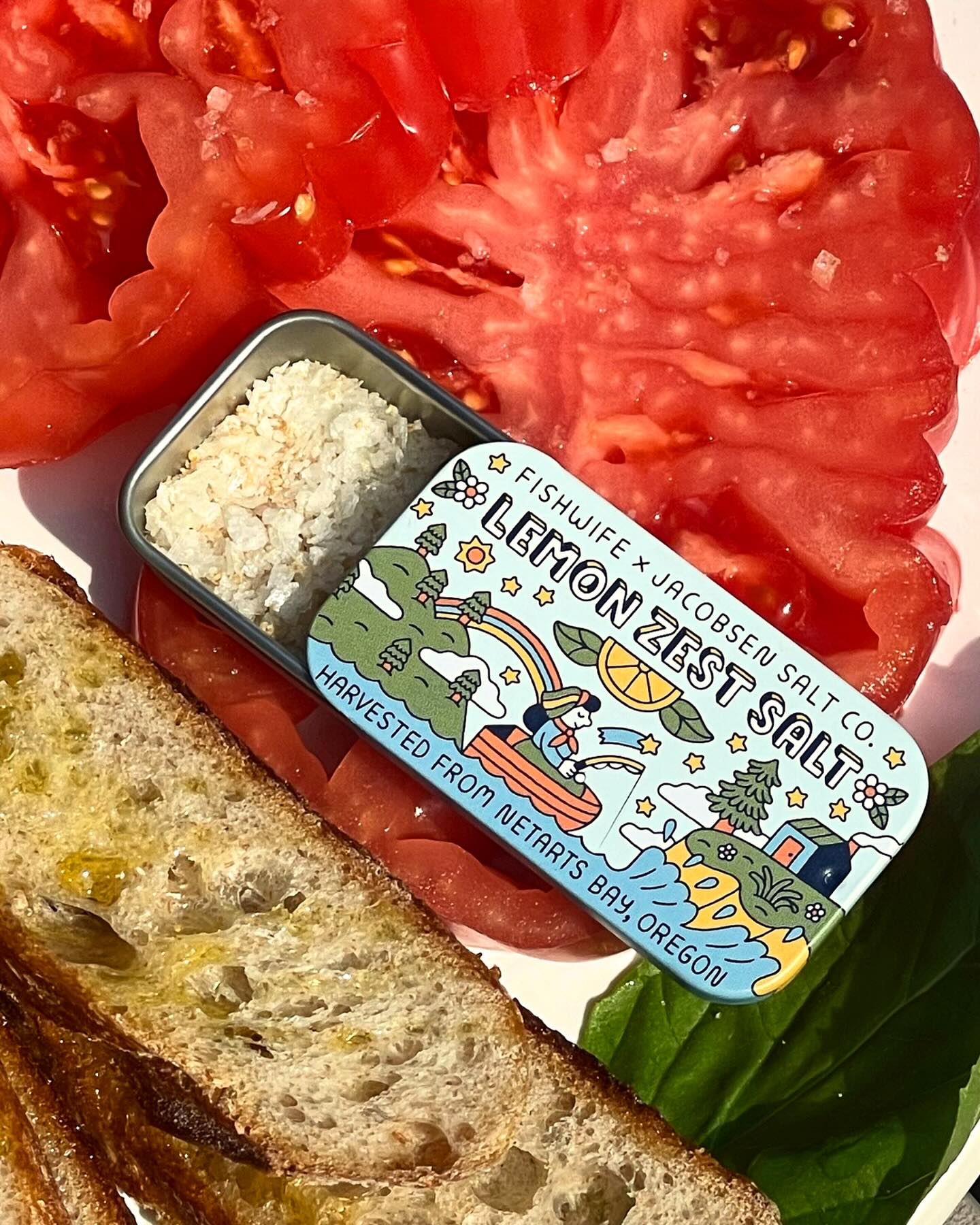
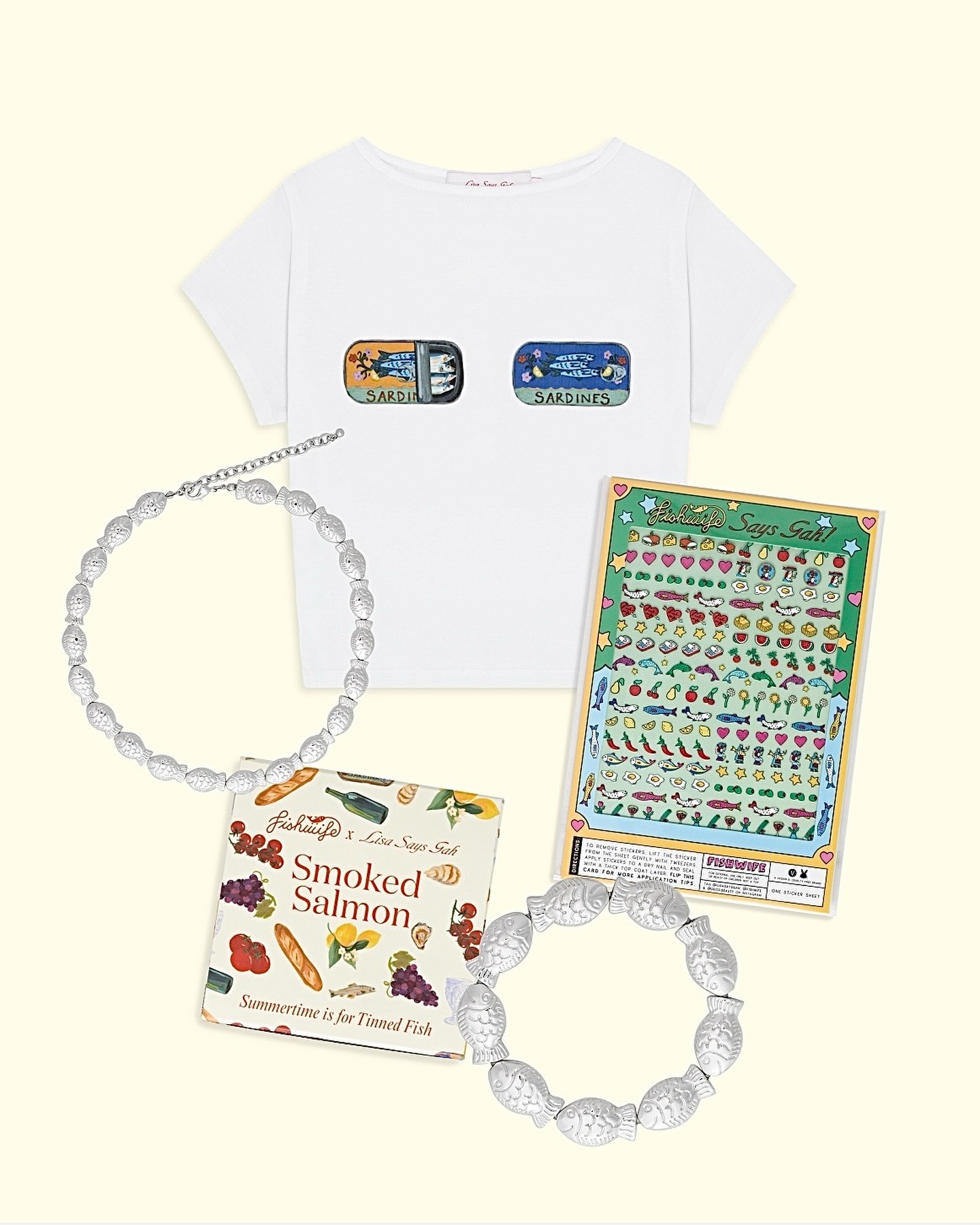
Fishwife understood that tinned fish was the product, not the limit of the brand. It has made a Glossier April Fools campaign, collaborated with Bon Iver on smoked salmon, made a Super Smoky Lager with TALEA, released Valentine’s Day chocolate sardines, created rainbow fish-themed editions (millenials - pass the tissues!), made lemon zest salt with Jacobsen Salt Co. and turned its tins into candles. None of that is random, but none of it feels forced either. Each idea is recognisably Fishwife, but unexpected enough to make people notice, share or buy. That is how you stand out in a “boring” category. You don’t pretend to be something you’re not. You find the interesting thing your category has been ignoring.





In our humble opinion
Brand can't be the layer that gets added when everything else is approved. It has to shape what you make, how you talk about it and what people remember.
You don’t need to be loud, pink or weird. You do need a point of view, the discipline to protect it and the nerve to let it out of the building.
Most businesses aren’t too boring to talk about. They’re too careful, too inconsistent, too buried in their own processes, or a lot of the times think there's nothing to say. Trust me - there is!
Make the good thing clearer. Make it known. Make it stick.